
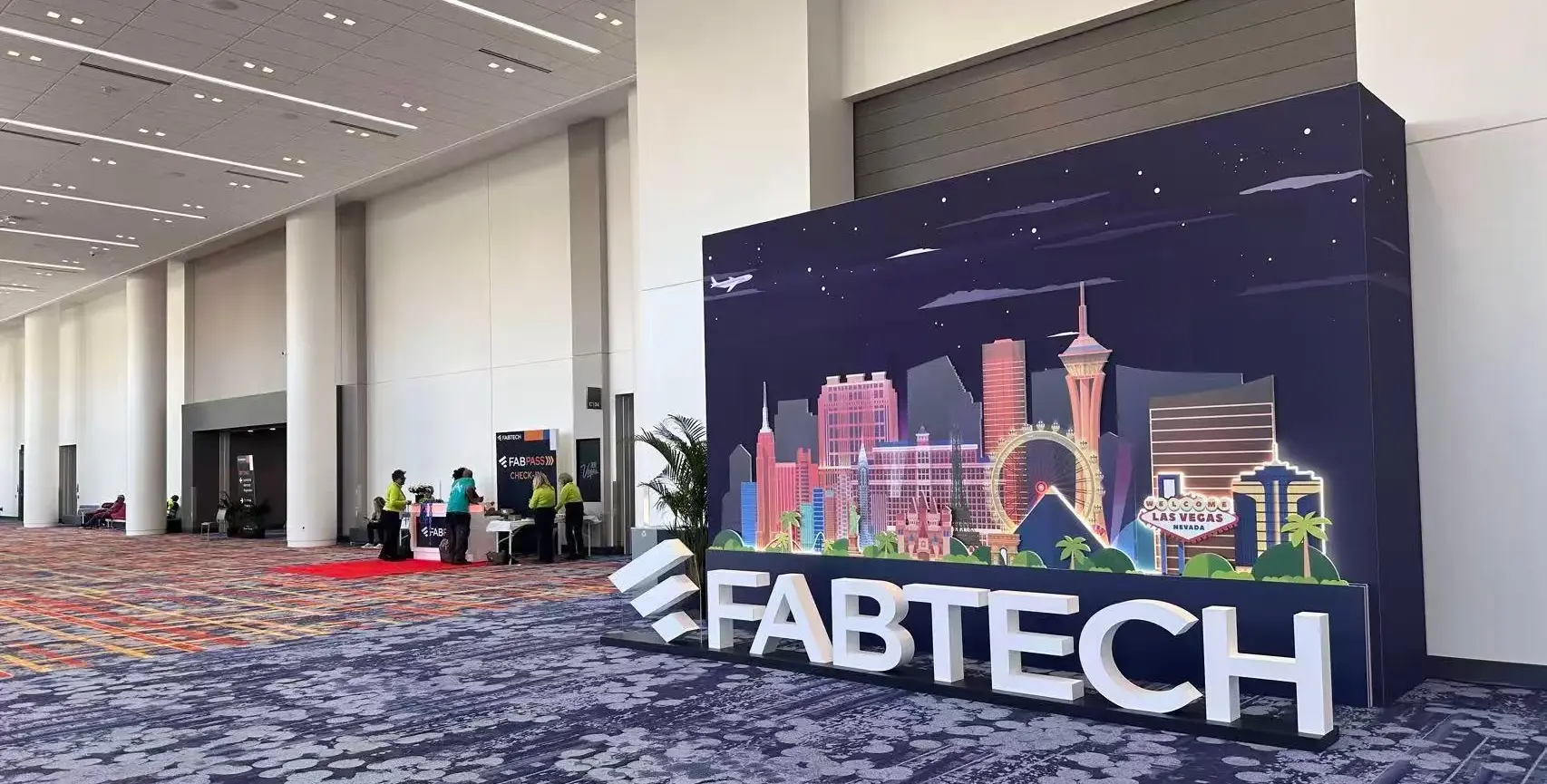
HEADUX and 3S Robotics Debut NEXA ULTRA AC/DC and Physical AI Welding Robot at FABTECH 2026
HEADUX and 3S Robotics presented the NEXA ULTRA AC/DC multi-process welding platform and a Physical AI Welding Robot during FABTECH 2026 in Las Vegas.
Las Vegas, November 8, 2026 — HEADUX and 3S Robotics jointly presented two next-generation fabrication systems during FABTECH 2026: the NEXA ULTRA AC/DC Series multi-process digital welding platform and the Physical AI Welding Robot.
FABTECH 2026 took place from October 21 to 23 at the Las Vegas Convention Center. The event brought equipment suppliers, manufacturers and welding professionals together for live demonstrations and discussions about production modernization.
NEXA ULTRA AC/DC Brings Core Fabrication Processes Together
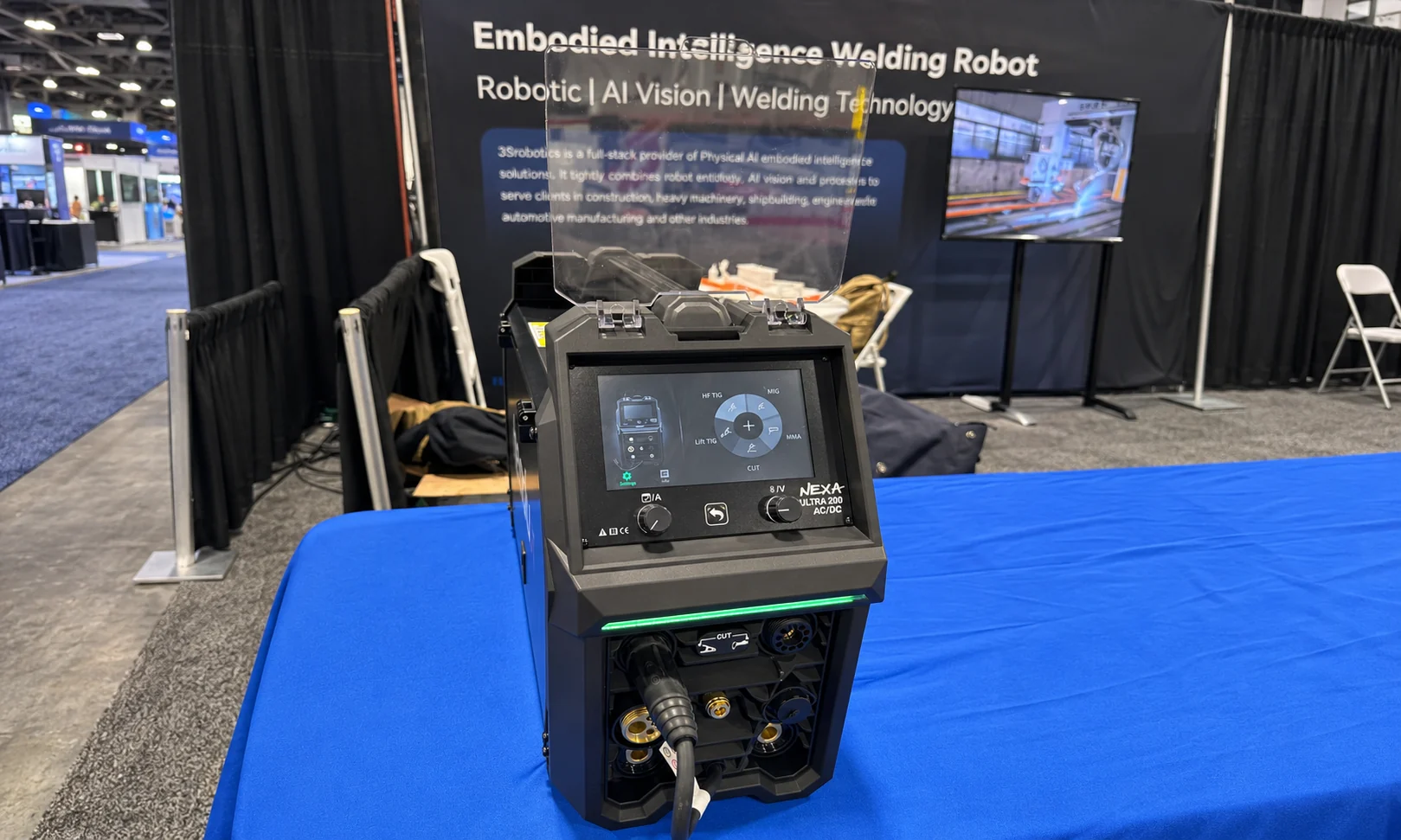
NEXA ULTRA 200/230 AC/DC is designed as a consolidated welding and cutting platform. It combines DC MIG, Pulse MIG, Double Pulse MIG, HF AC/DC Pulse TIG, Stick, Pulse Stick and non-HF plasma cutting in one system.
The platform pairs a 7-inch LCD touchscreen with physical control knobs. Synergic programs support faster setup, while direct parameter controls remain available for experienced welders who want to tune the process. The current HEADUX configuration also includes wireless and Bluetooth connectivity, a four-gear wire drive, generator compatibility and dedicated gas connections for its supported processes.
The NEXA ULTRA 200 AC/DC is intended for repair, maintenance and light-to-medium fabrication. The NEXA ULTRA 230 AC/DC adds output headroom for more demanding work while retaining the same interface and multi-process approach.
Physical AI Welding Robot Brings Intelligence to the Welding Cell
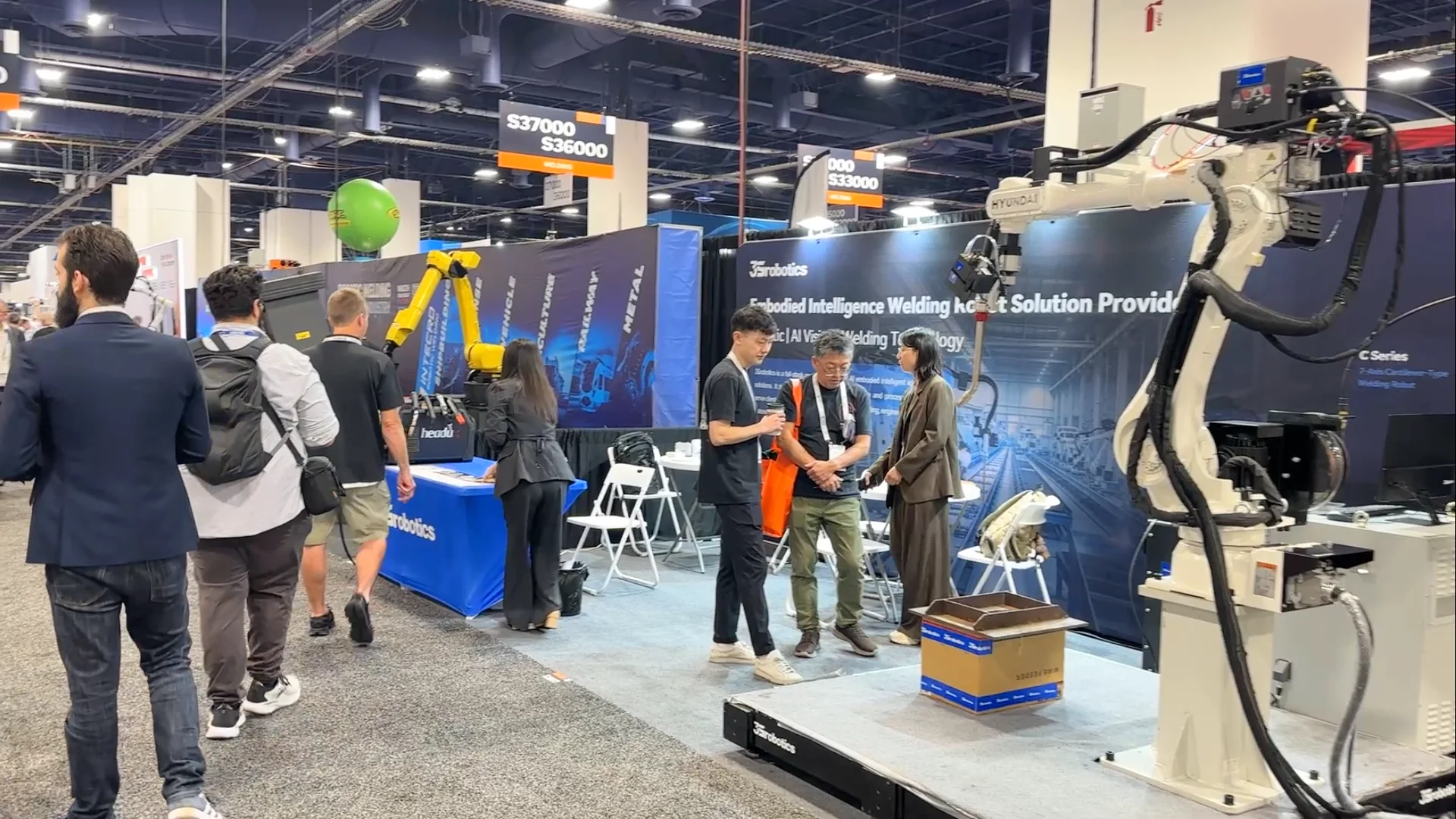
Alongside NEXA, 3S Robotics demonstrated a Physical AI Welding Robot designed for production welding cells. The system combines robotic motion, welding-process integration and software intended to support repeatable welding tasks in real manufacturing environments.
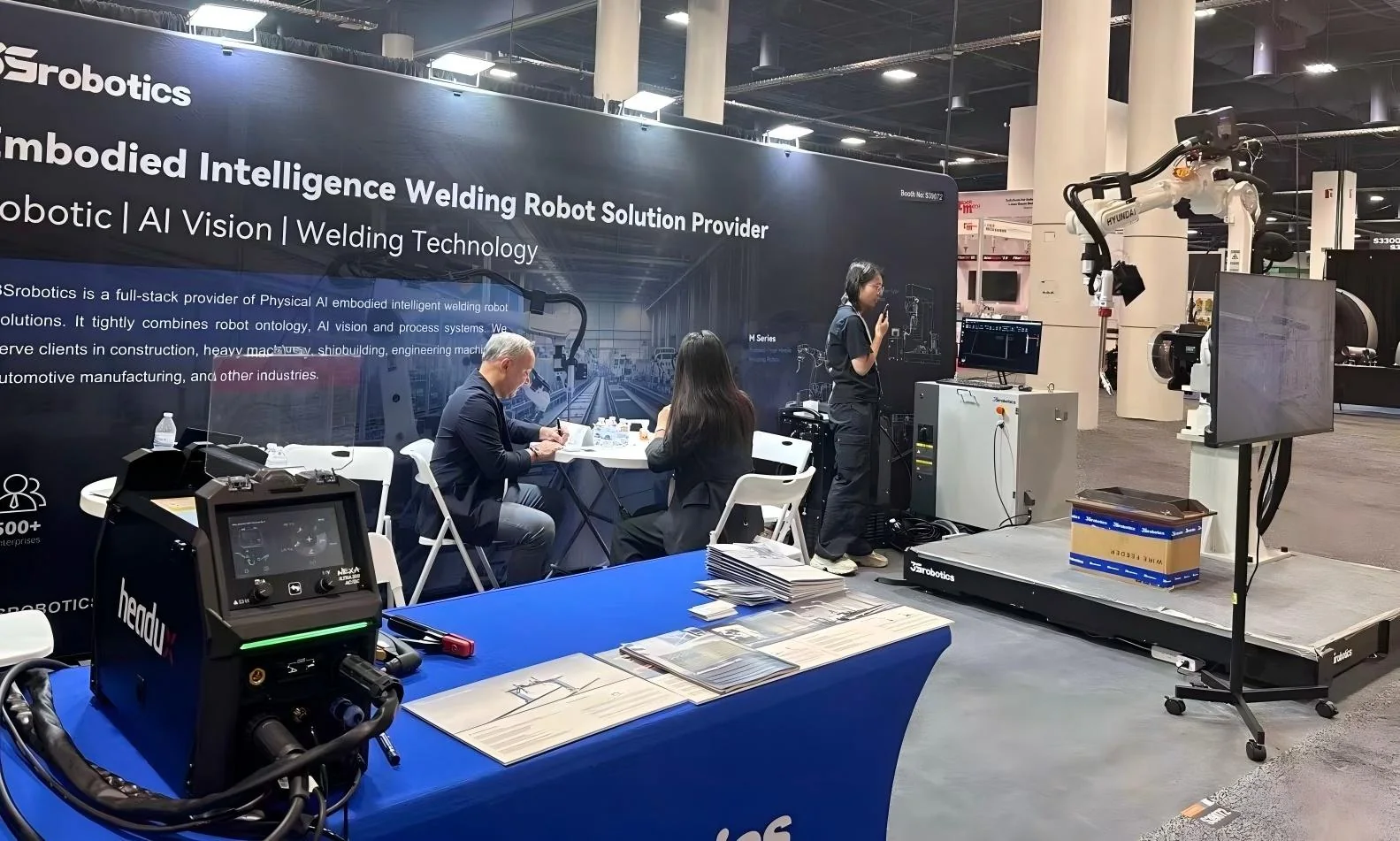
The two systems address different parts of the fabrication workflow. NEXA ULTRA provides multi-process flexibility for manual production, repair and training, while the Physical AI platform focuses on repetitive work where consistency and automation are priorities.
The joint presentation reflects a broader move toward connected fabrication systems that combine capable welding hardware with clearer operator interfaces and practical automation.